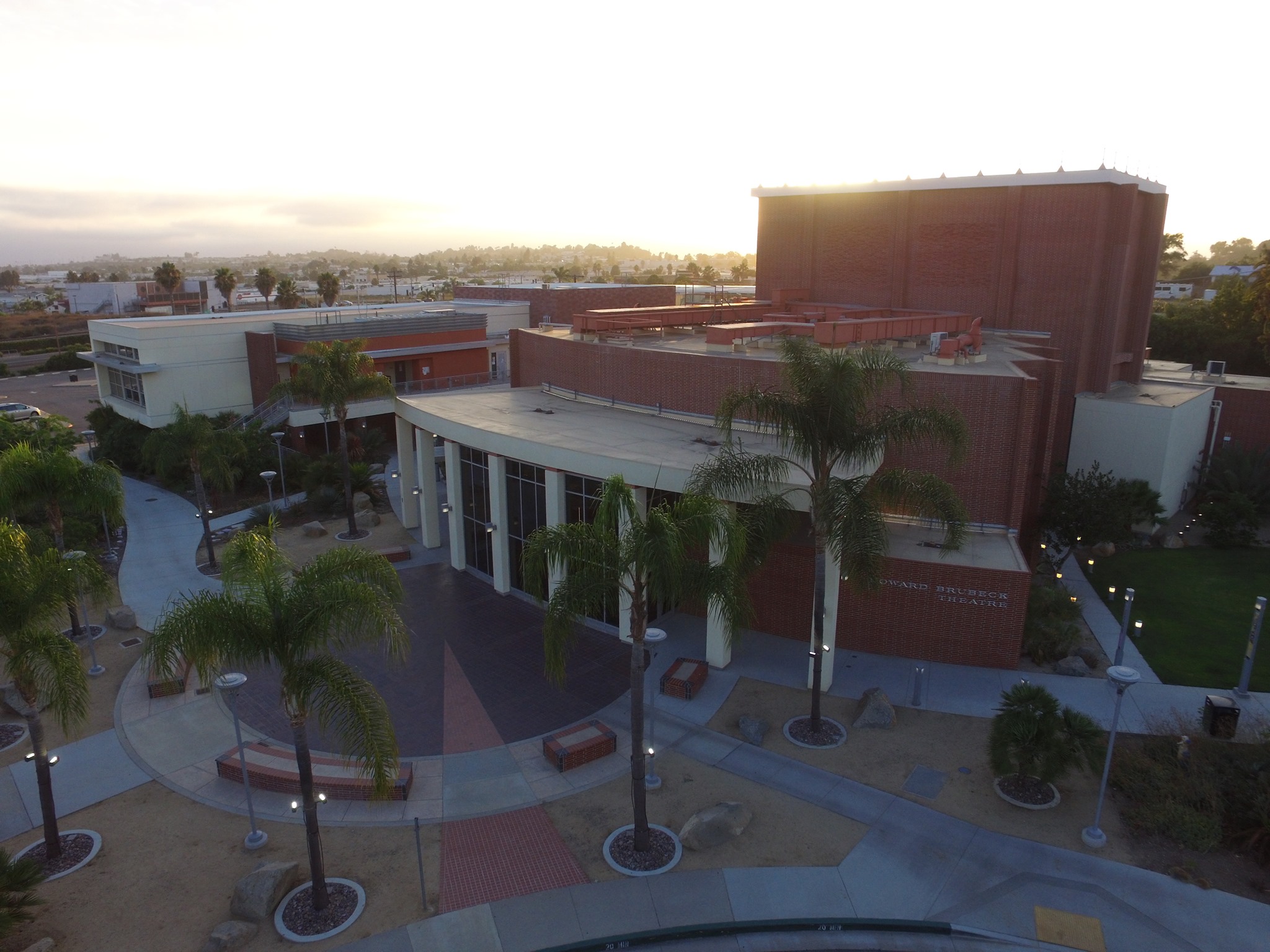
Palomar Performing Arts is a community where the human spirit is continually renewed and a place where we are reminded of the qualities that make us human.
Palomar Performing Arts provides a vibrant educational environment that cultivates creative learning experiences between students, teachers and community through the study and practice of dance, music theatre and collaborative performance.
Here, artists and audiences alike gather to deepen their knowledge of music, dance and theatre in all their varied forms. It is a place where creativity and craft drive the immediacy of live performance, linking the traditions of the past with the possibilities of the future, instilling the art of communication in everyone.
We welcome all interested participants. Maybe you’re considering a professional career in music, dance or theatre. Perhaps you are chasing a curiosity about the performing arts and want to experience something new and exciting. Or, you might simply be looking for fun and stimulating general education requirements! Whatever your motivation, you will find a thoughtful and vibrant community.
Performing Arts Department
Palomar Community College District
1140 West Mission Road
San Marcos, California 92069
Office: PAC-122
Phone: 760-744-1150 x 2316
Email: padepartment@palomar.edu